Past, Present and Future

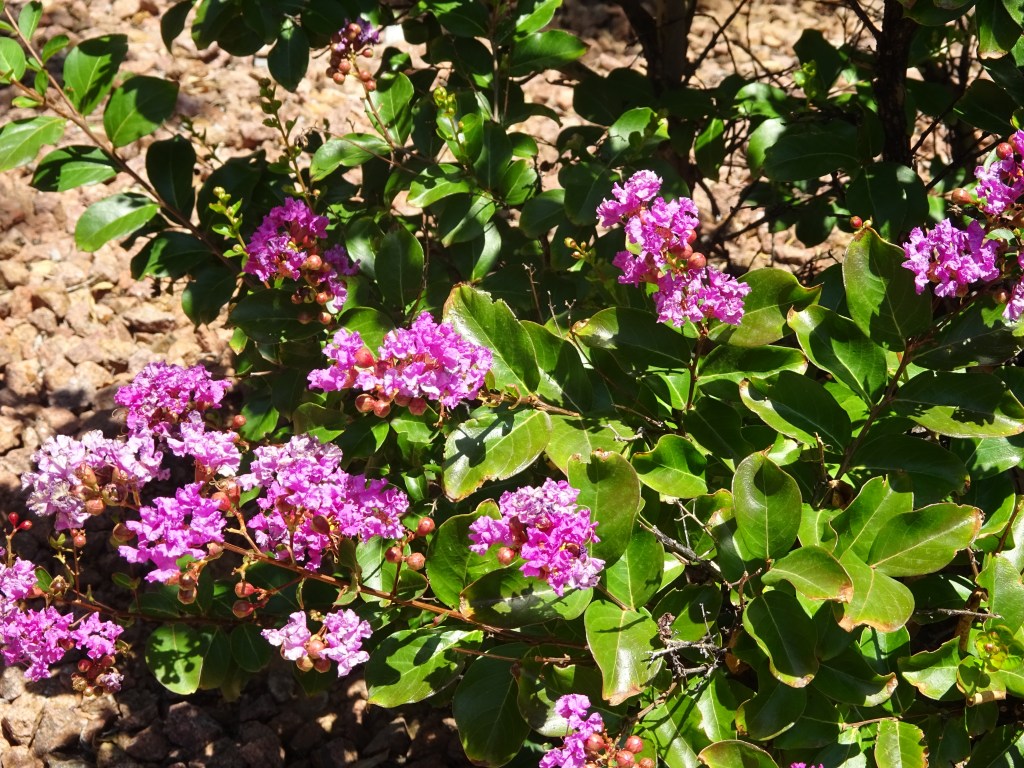
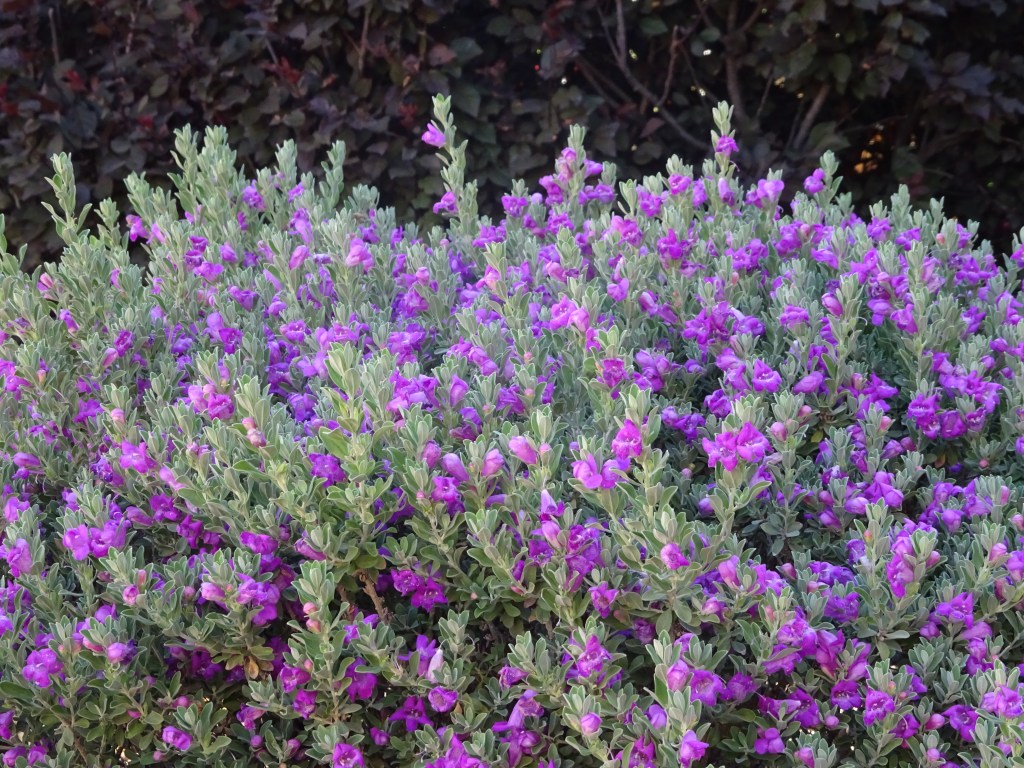
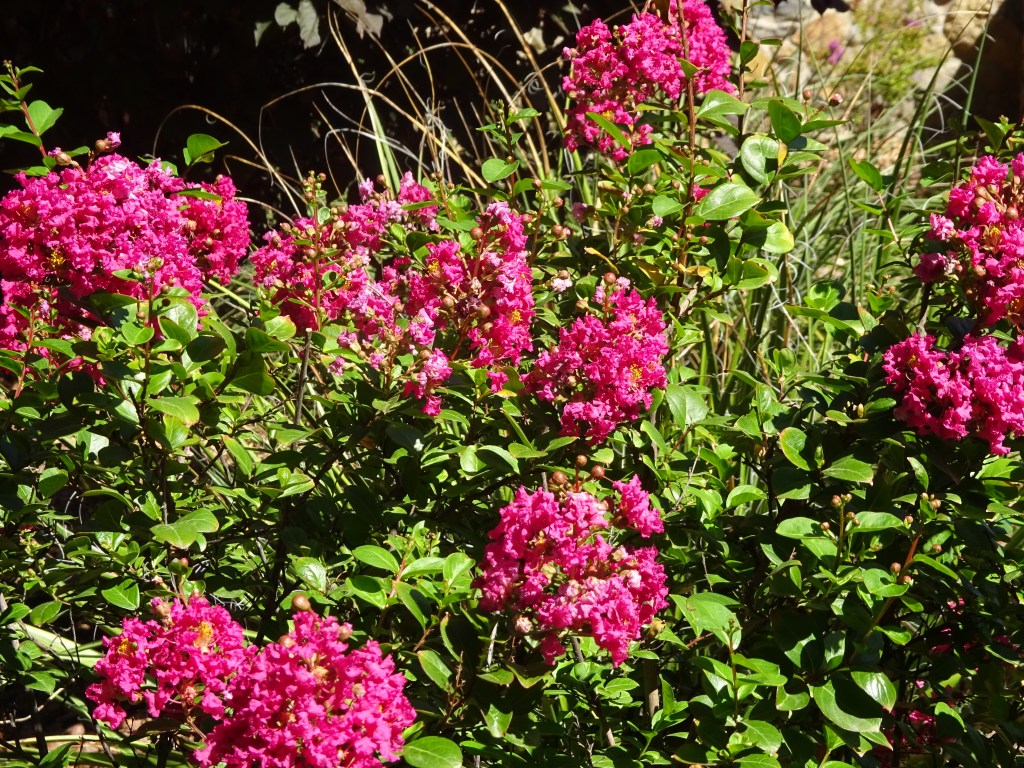
Last week I wrote about our white and lavender Crape Myrtle bushes that came into bloom after the monsoon rains began. This week the red variety has blossomed more profusely than it has in years, and the purple variety (pictured below) is just beginning to bloom.

I think the reason gardening is so good for the soul is that it’s mostly about the present and the future. The past is important, of course. It took eons for the soil to develop, and the nutrients from past fallen leaves have played their part. But when I’m in the garden, I don’t think about the past. That’s a good thing.

It’s the present blossoms that keep my attention, as well as the tender green shoots that promise future delight.

After the Rain

In the garden, the Crape Myrtle bushes are in bloom. Prior to the monsoon rains, they bloomed sporadically and indifferently, but as soon as the rains began, they came into full flower. They prefer the rain from heaven to the water that comes from the faucet. Somehow they know the difference.

The days are a little cooler now. In the afternoons, great towers of cumulus clouds form in the sky, and if we are lucky, we get a good downpour during the night. I love the sound of the rain pattering on the skylights.

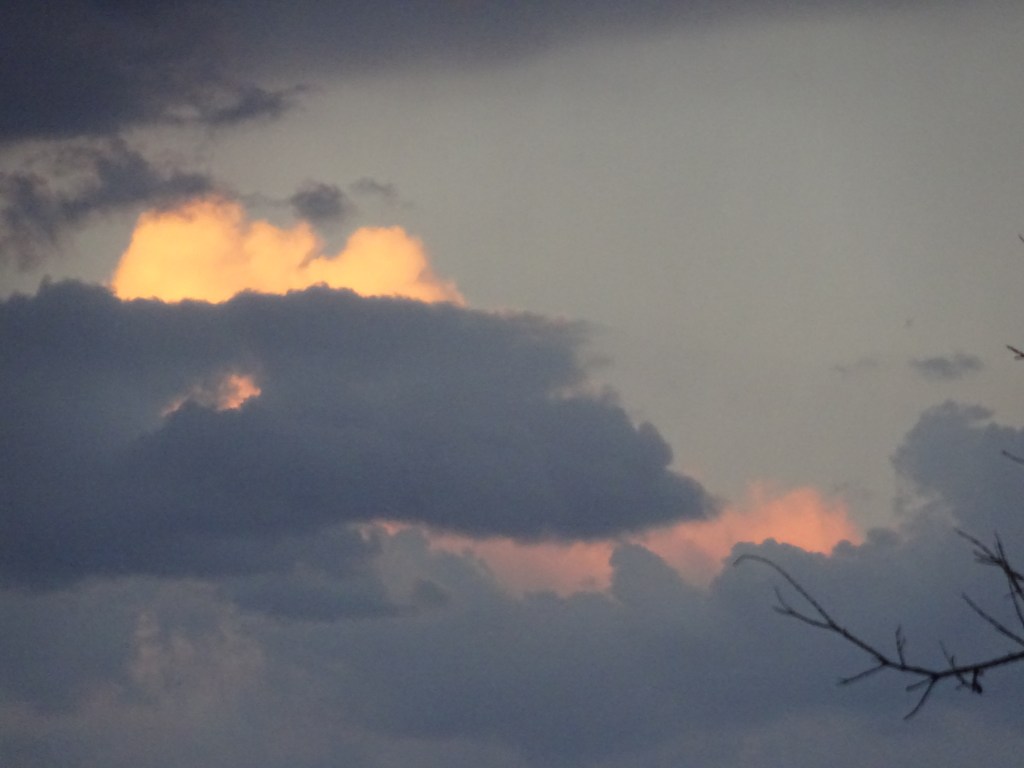
Last night at sunset there was no rain, but I caught a glimpse of something I hold dear but rarely actually see — the cloud with the silver lining. Yes, Virginia, it does exist.

Purple

Vitex

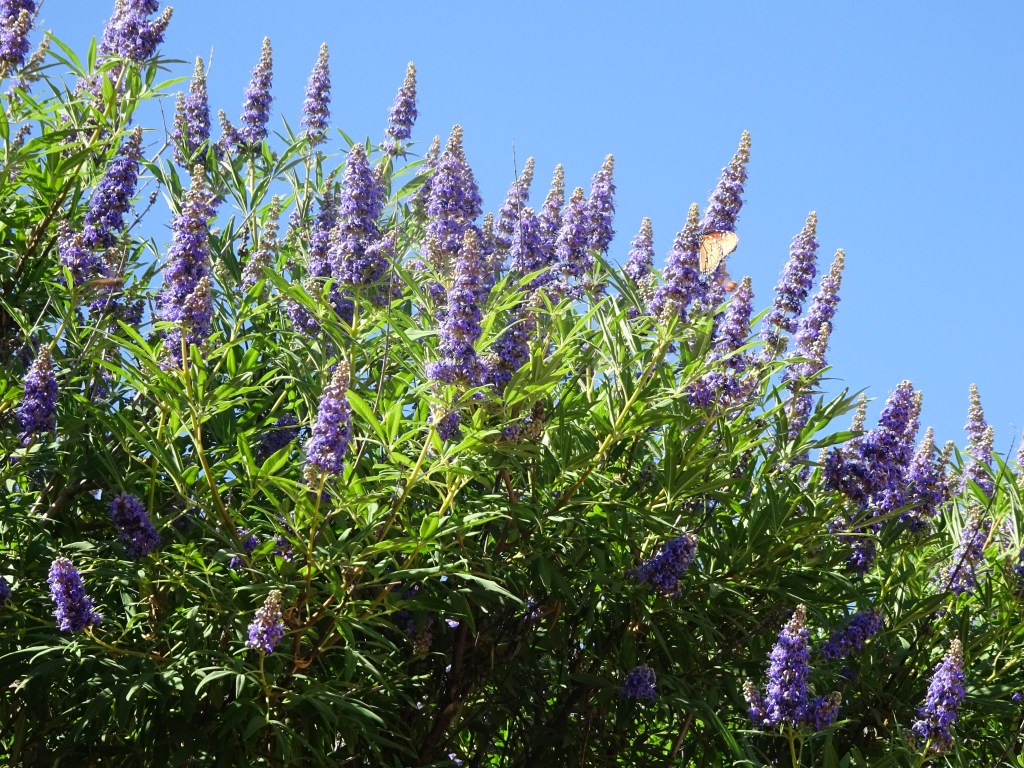
In our courtyard, the Vitex tree is crowned with purple blossoms. The bees and butterflies flit and dive above the branches in an elaborate ballet. Somehow, they avoid collision. I look forward to this display every year. It will only last for a week or so, and then the flagstones below will be covered with a carpet of purple petals.

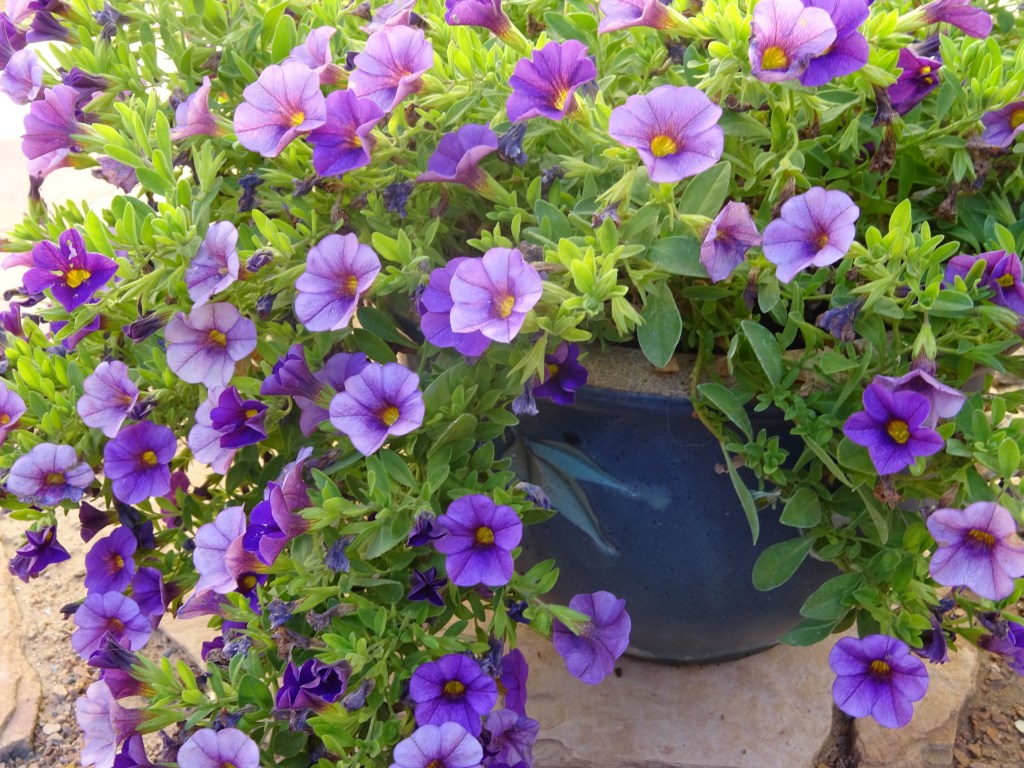
The potted Calibrachoa compete for the spotlight. Elsewhere in the garden, the Purple Cloud bushes are in bloom. Later in summer, after the monsoon rains, their display will be even more spectacular.

Monsoon

In Southern New Mexico we have two summer seasons. From the end of May to mid-July it is hot and dry. Then, sometime in July, the monsoon season begins. The days are slightly cooler. In the afternoons, tall, white cumulous clouds form in the sky. Then in the evenings, if we are lucky, it begins to rain. If we are really lucky, it pours.

The duality of our summers reminds me of the perplexing experience of contemplative prayer. There can be long periods of dryness, when prayer is difficult and unenjoyable. Then, when we least expect it, God pours down an abundance of grace, and prayer becomes delightful again. The dry periods purge us of our arrogance and self-satisfaction. The blessings remind us of God’s marvelous forgiveness and love.